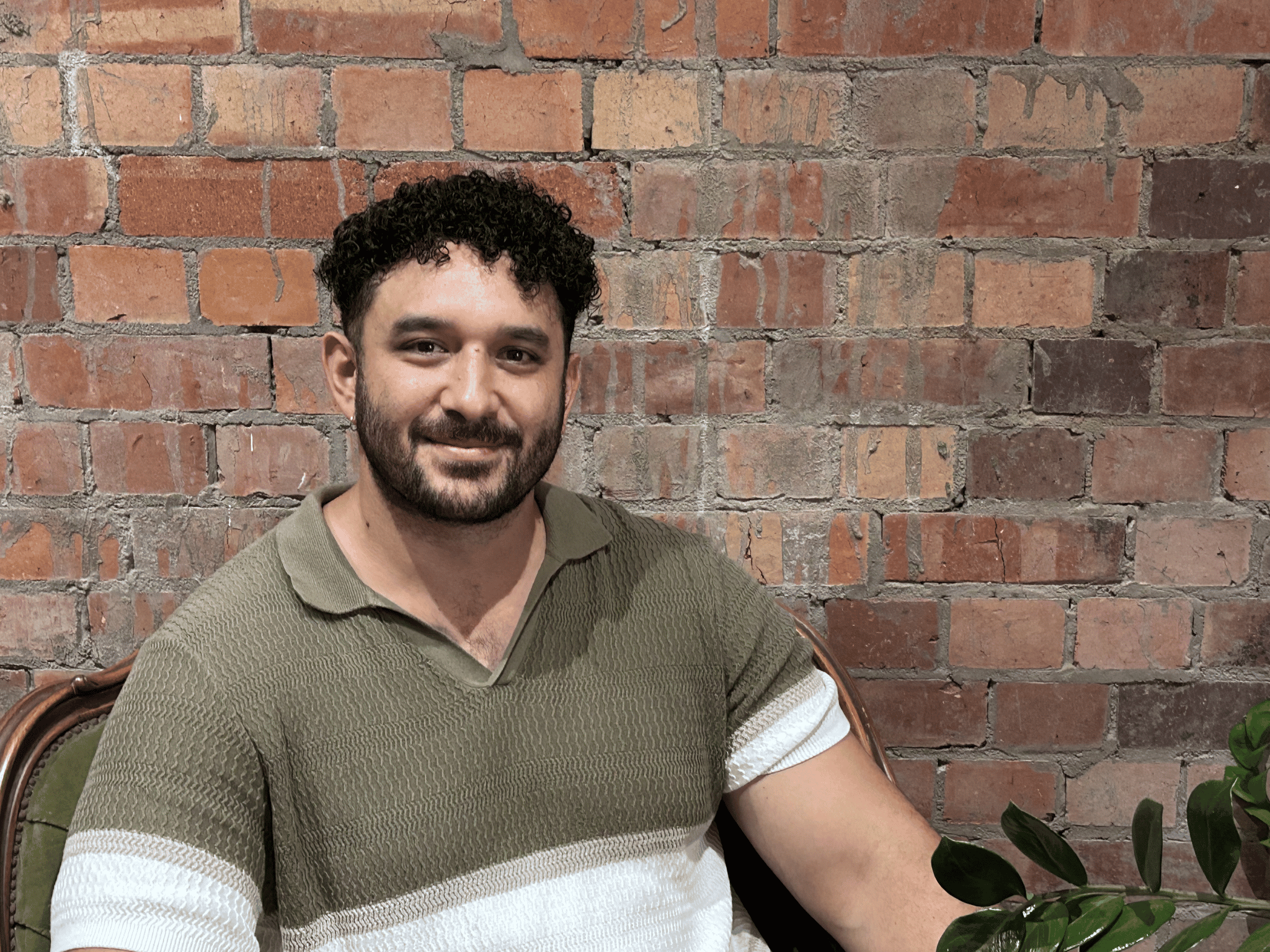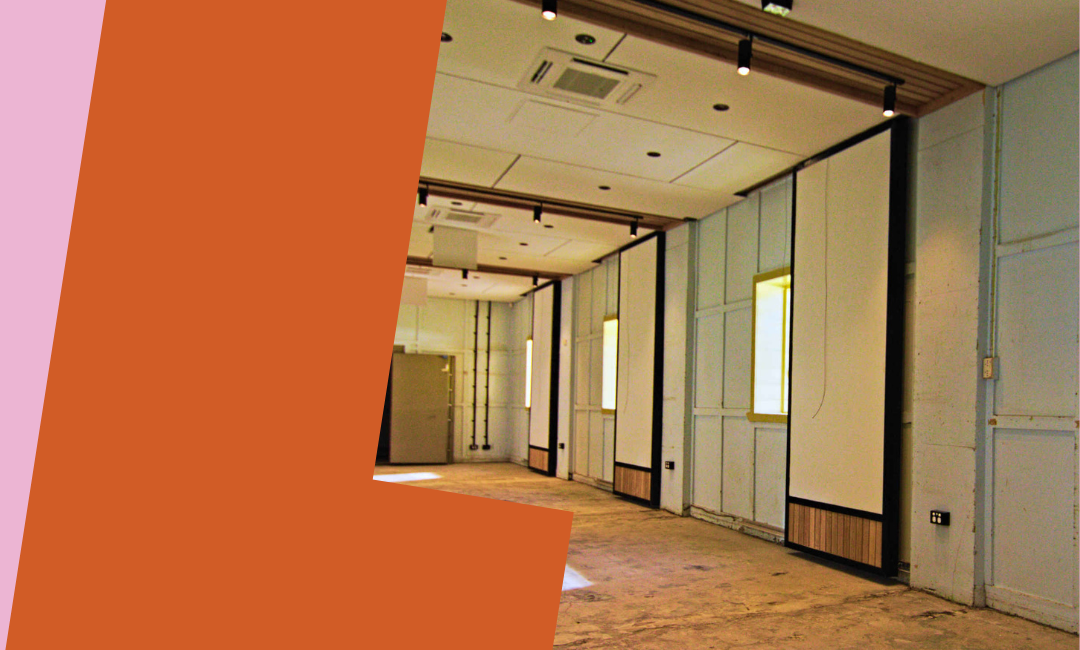

Tucked within the historic cells of Witton Barracks, Vara Psychology is a calm, thoughtful space dedicated to healing, reflection, and personal growth. The practice is led by Josh Mario, a clinical psychologist who brings a strong sense of purpose to his work.
Josh recently struck out on his own after years working in organisations and hospitals. While the move comes with a mix of excitement and uncertainty, it has also brought a sense of relief. “Being independent means I can practise in a way that’s truly client-focused,” Josh says. “There’s no pressure to rush people through or fit into rigid systems. We can work at the client’s pace.”
A trauma-informed, evidence-based approach
Josh specialises in trauma-focused therapy, working primarily with adults, including military veterans and their families, while also supporting people from all walks of life. His work is grounded in evidence-based practice, with training in EMDR and cognitive therapies.
He explains trauma using a simple but powerful image: memories as items stored in a cupboard.
“Most memories are organised neatly. Trauma memories are different — they’re like a disorganised kitchen cupboard where everything’s been thrown in, and when you open the door, things spill out.”
Trauma-focused therapy is about gently taking everything out, making sense of it, and putting it back in a way that feels manageable and safe.
Josh is passionate about helping people make sense of the connection between thoughts, emotions, physical sensations, and behaviour — and about normalising trauma responses as understandable reactions to very stressful experiences. Josh also works with anxiety, depression, sleep issues, stress, and changing addictive behaviours that aren’t working for people anymore.
Why Vara?
The name Vara comes from a lesser-known Norse goddess associated with keeping agreements. For Josh, the inspiration is symbolic rather than literal.
“It’s about helping people keep their agreement with themselves to progress and change, and to come into agreement with their genuine authentic self.”
He sees the therapy space as a rare pause from everyday roles and responsibilities — a place to reflect, learn tools, learn skills if that’s needed, or simply be.
“You don’t have to see a psychologist because something is ‘wrong’. Sometimes it’s just a mental health check-in, like popping the hood to see how things are working. But if there’s very real problems, we’ll work with that too”
A natural fit at Witton Barracks
Josh discovered Witton Barracks through Luke Terry of White Box and was immediately drawn to its history and purpose. Working with military veterans in a former army barracks felt meaningful, as did the idea of doing restorative work in a space that was once a prison cell.
Josh values the practicalities too, especially the proximity to public transport. Making mental health care accessible is central to Josh’s practice, influencing everything from keeping fees as low as possible to exploring creative ways organisations can help fund treatment.
He’s equally drawn to the community focus of Witton Barracks and the encouragement for tenants to contribute to connection and wellbeing.
At its heart, Vara Psychology is about care, accessibility, and connection — and Josh Mario is a thoughtful new addition to the Witton Barracks community.