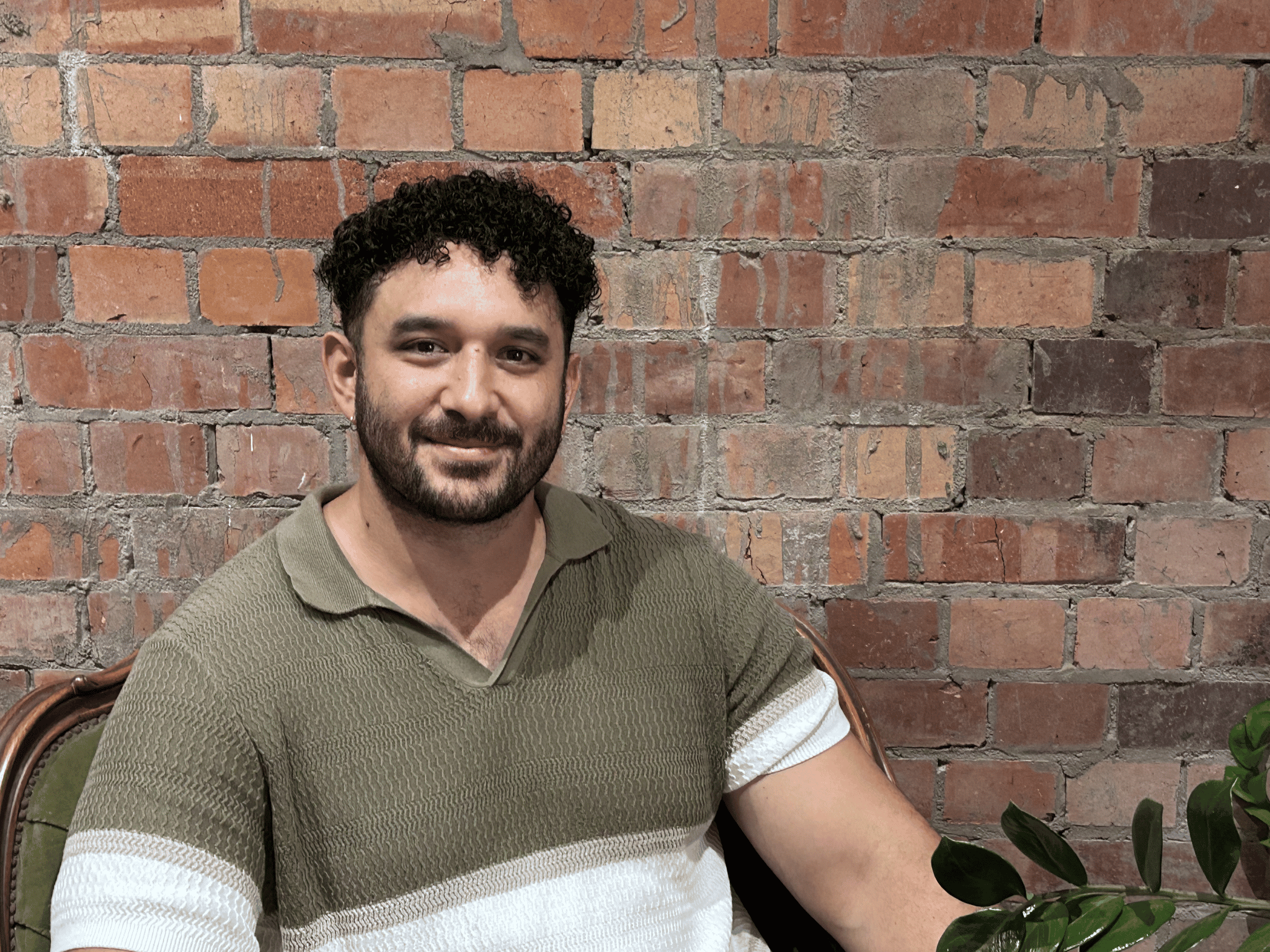

We’re delighted to welcome Nisha Trivedi, trauma-focused clinical counsellor and somatic practitioner to Witton Barracks. In Nisha’s practice, New Leaf with Nisha, she weaves together talk-based therapy and body-based practices to support emotional safety, nervous system regulation, and sustainable change.
We sat down with Nisha to find out more about her practice.
Tell us a bit about your work.
I hold a Master’s in Counselling and am also a Trauma-Sensitive Yoga (TCTSY) facilitator and iRest Meditation teacher. Rather than focusing only on talk therapy, I integrate the body’s wisdom into the process.
When we leave the body out of healing, we leave a massive part of ourselves unacknowledged. My work bridges that gap and helps people find safety and understanding not only through words but through the body itself.
What is somatic therapy
The word somatic comes from soma, meaning “the living body.” Somatic therapy brings awareness not only to what you think but to what your body feels — the sensations that often speak before words do.
We might notice shallow breathing, tight shoulders, or a heavy chest before we even realise we’re stressed or anxious.
In sessions, we slow down and notice these signals, learn to regulate, self-soothe and respond with care instead of self-criticism. Over time, this builds a felt sense of safety and connection within.
Who do you work with?
Many of my clients are navigating life transitions — relationship changes, fertility challenges including reproductive grief and loss, relocation, career shifts, or new beginnings in love and partnership.
I also specialise in relational trauma, which can arise from difficult experiences or events within close relationships since birth. Traditionally many people think that “trauma” means you’ve experienced earthquakes or sexual abuse. But what happens in close relationships in the day-to-day can really alter our sense of self as well and how we develop into adulthood.
How does someone know they could benefit from therapy?
Our emotions and mental health influence our physical well-being more than we often realise. The body and relationships usually signal when something feels off — recurring tension, low energy, sleep changes, or feeling emotionally flat.
If you catch yourself saying “I’m fine” when you’re not, or turning to distraction instead of support, it may be time to reach out.
Therapy offers a safe, non-judgemental space to slow down, explore what’s really happening, and begin to restore balance and connection.
What drew you to Witton Barracks?
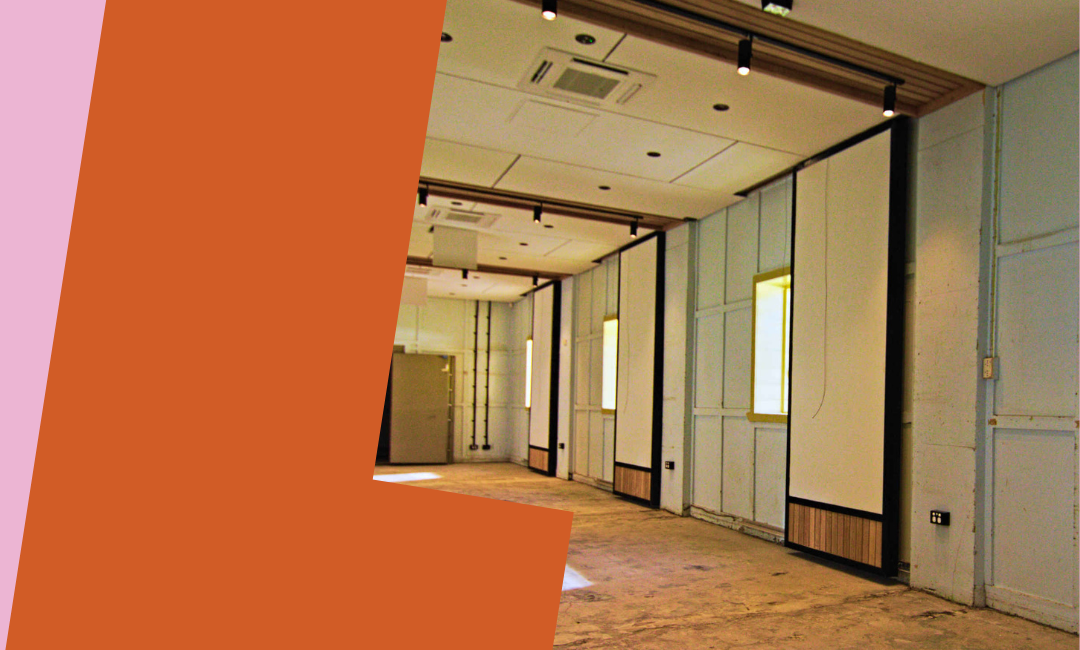
It’s funny — I first saw Witton Barracks in 2022 when visiting Brisbane from Melbourne. I remember saying, “I wonder what this place will become?” When I decided to open my own practice this year, I came across Witton Barracks again and felt instantly drawn to it. The space has a beautiful energy and sense of history. It feels like the right home for my work, a grounded, nurturing space for healing and reconnection.
Welcome, Nisha — we’re so glad to have you and New Leaf with Nisha as part of the Witton Barracks community. To make a booking with Nisha, visit her website here.