
Witton Barracks isn’t just a beautiful heritage site — it’s a place steeped in remarkable history. Nestled in the leafy suburb of Indooroopilly, this site once played a vital role in Australia’s wartime intelligence efforts.
From Riverside Estate to Wartime Headquarters
The Barracks sit on part of the heritage-listed Tighnabruaich property, built around 1890. Originally a grand riverside estate, it was requisitioned by the military in 1942 as war swept across the Pacific.
Tighnabruaich became the headquarters of a joint American–Australian intelligence unit known as the Allied Translator and Interpreter Section (ATIS). and their main task was the interrogation of Japanese prisoners of war and the interpretation of captured Japanese documents — a task that would ultimately shape the course of the war.
Intelligence, Translation, and the Nisei Contribution
Many of the American personnel at Witton Barracks were Nisei — second-generation Japanese Americans whose language skills and cultural understanding made them invaluable to the Allied cause.
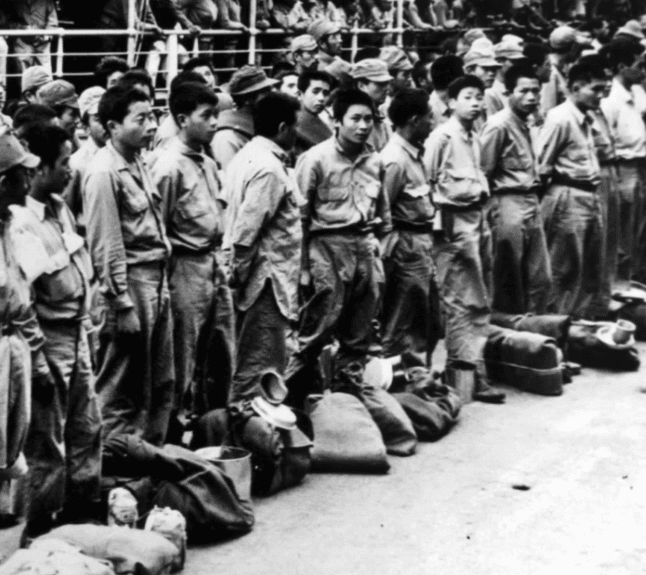
Prisoners were transported from the Gaythorne POW camp to Indooroopilly for interrogation. Over the course of the war, more than 1,100 Japanese soldiers were interrogated here, contributing crucial insights to the Allied intelligence picture.
Cracking Codes and Changing the Course of the War
The work done at Witton Barracks had far-reaching effects. Among the team’s many successes:
- Captured codebooks belonging to the Japanese 20th Division were translated, unlocking key communications.
- A captured officers’ list allowed the Allies to compile a detailed Japanese Order of Battle.
- In May 1944, ATIS staff translated a captured Japanese plan — the now-famous “Z Plan” — revealing Japan’s defensive strategy against Allied assaults in the Pacific.
In a book based on his experiences, ATIS member Arthur Page described Tighnabruaich as Australia’s Bletchley Park.
From Secrets to Stories
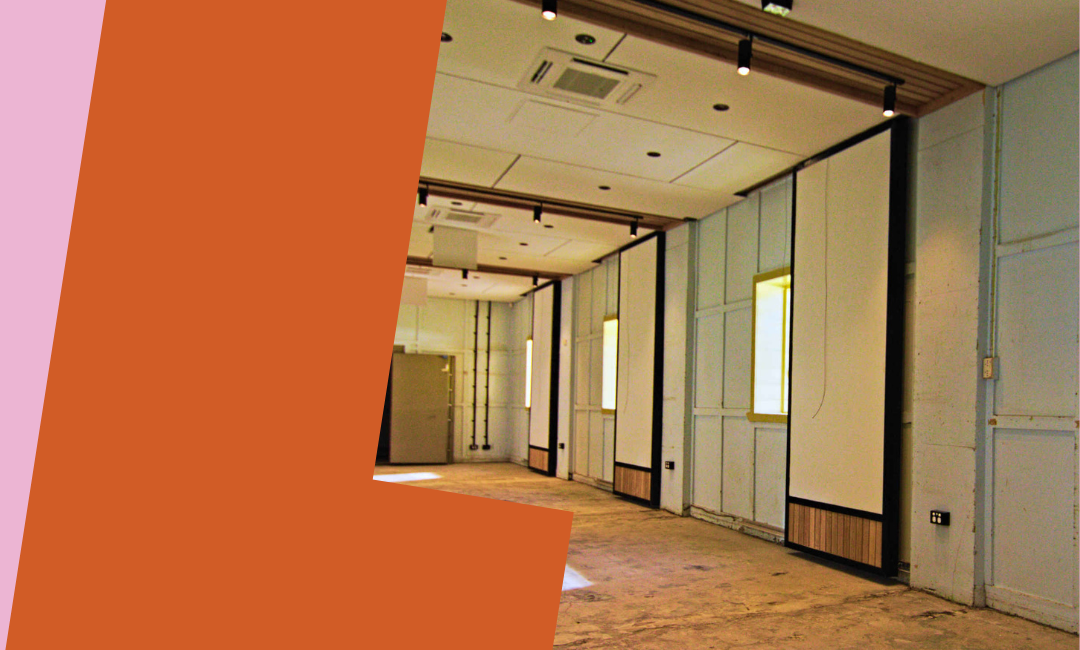
Today, the wartime buildings of Witton Barracks stand as a powerful reminder of that extraordinary chapter in Brisbane’s history. Once a hub of wartime intelligence, it is now a unique venue for community and cultural events, where people gather to create new stories.
To learn more about the history of Witton Barracks, explore the full historical timeline here.
A special thank you to the Brisbane History Group for sharing their knowledge of the history of the area, and to WalkaboutWithRob, whose video tour (start at 16 minutes) takes you inside the original cells and corridors where wartime history was made.
If you’d like to take a tour of Witton Barracks, you can book Brisbane City Council Greeters tour here.